Home
Home List
List Bookmarks
 Random
Fnaf World - Five Nights at Freddy’s | Play Horror Games Online
A strong free game website does not win only because it is free. It wins because it lowers the distance between impulse and enjoyment. That distance is what decides whether a player stays, explores, and comes back, or whether they bounce after one confused click. In the world of play free games, the real challenge is not access alone. Access is everywhere. The harder challenge is conversion of attention. A player lands with only a small amount of energy to spend. They may have five spare minutes. They may be procrastinating between tasks. They may want to reward themselves after work, cool off after losing in a competitive title, or simply chase a tiny burst of novelty without committing to a download. That is why terms like free online games, browser games, online games, free browser games, no download games, web games, casual games, instant play games, arcade games online, and unblocked games continue to matter. These are not just search phrases. They are small statements about what kind of session a person feels ready for. A useful website understands that difference and helps the player cross from vague intention to immediate delight without friction.
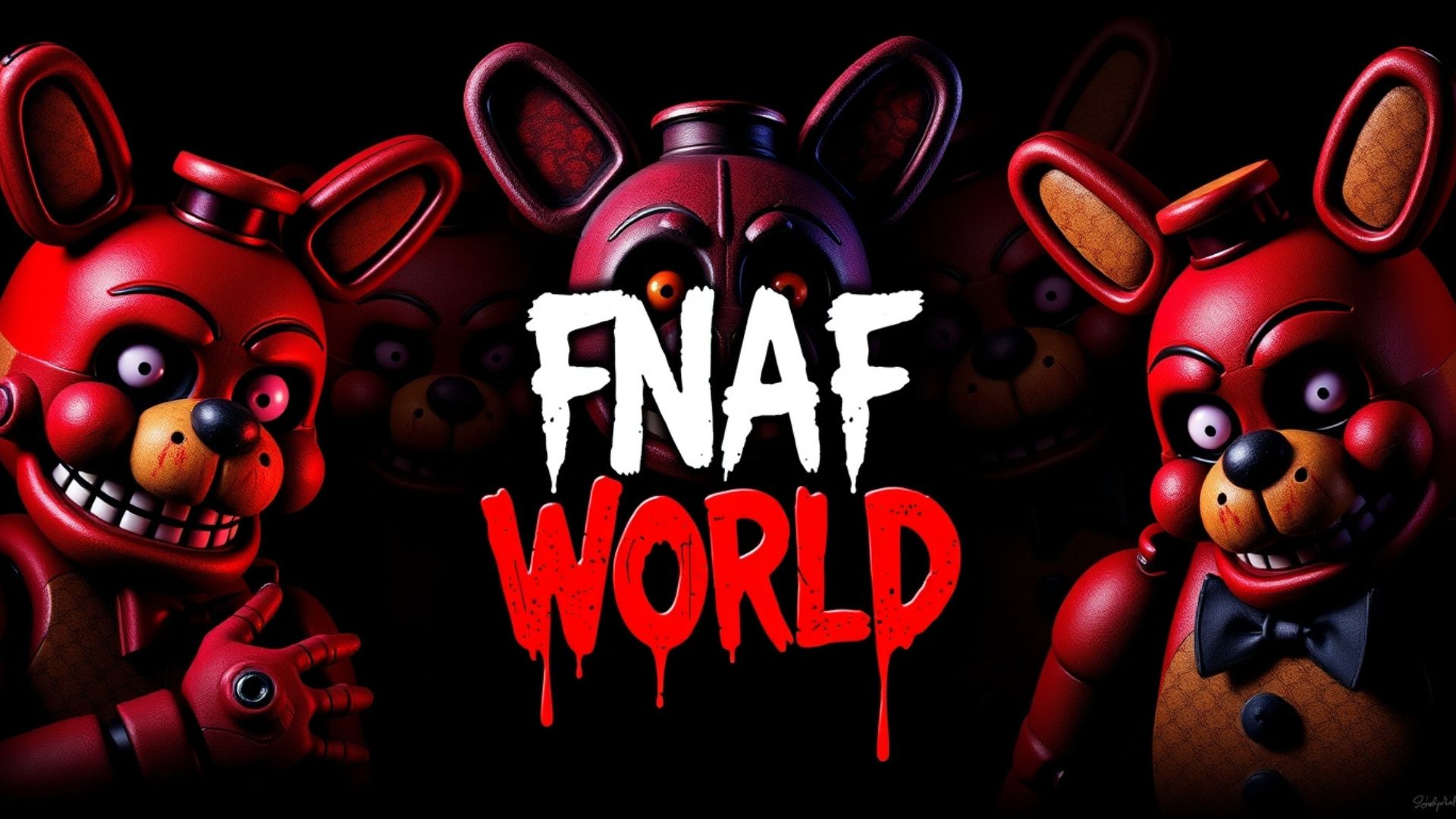
That same principle becomes even clearer when the search is more specific. The player does not always begin with a blank mood. Sometimes they arrive carrying a strong reference point. They might type poki, poki games, y8, y8 games, y8 com, y8 2 player, cool math games, coolmathgames, coolmath, coolmath games, playhop, play hop, play hop play, gamejolt, game jolt, jolts games, newgrounds, playgames.com, play games.com, play games com, game game, or free games because those names already imply a style of browsing. They suggest speed, simplicity, strange charm, throwback energy, or giant playable variety. Then there is Fnaf World, which signals something even more useful for a site owner or content strategist. It signals a player who is not searching for randomness. They want a world with personality. They want a click that feels flavored before the game even begins. That kind of keyword tells us that free-game discovery is not driven by category alone. It is driven by the promise that one click can open a richer lane of play than the user expected. A great free game website learns from that promise and builds the rest of its catalog around it.
Why Does Fnaf World Create Better Entry Points?
Why do unusual searches sharpen player intent?
Fnaf World is valuable because it acts like a sharper entry point than a generic free-games phrase. When someone searches free online games, they are handing the website a broad problem to solve. They want fun, but they have not yet defined what flavor of fun is right. When someone searches Fnaf World, the problem is narrower in a useful way. The player is already leaning toward something playful, recognizable, slightly strange, fandom-aware, and more memorable than a random stack of clones. They may also be exploring nearby searches such as fnaf, fnaf 1, fnaf 4, fnaf game, five nights at freddy's free, fnf mods, fnf mod, fnf games, fnfgo, granny online, pacman, pac man, blockly games, blocky games, game beast, online carrom game, or carrom because those terms carry a similarly strong sense of identity or low-friction recognition. A free game website should understand what makes this kind of search powerful. It gives the platform a head start. The player has already told you that they prefer a click with character over a click with generic utility. That means the site can do more than simply present the requested title. It can use that entry point as the first rung in a better exploration ladder, one that respects the original curiosity instead of flattening it.
- Specific searches reveal stronger intent than broad category searches, which makes them ideal starting points for deeper browsing.
- Identity-rich keywords help the site understand whether the player wants atmosphere, recognition, novelty, or playful fandom energy.
- A targeted landing page can act like a doorway into related discoveries instead of a dead-end result.
- The best free game websites use the first click to define a lane, not just to satisfy a query.
- When the site reads the entry point correctly, the player spends less time hesitating and more time exploring.
There is a larger lesson hidden here. Entry points are not all equal. Some clicks begin weak sessions because they open a page with no clear next step. Other clicks begin strong sessions because they create a sense of direction. Fnaf World belongs to the second group because it arrives with built-in tone. A player who lands from that keyword is often more willing to continue if the site presents a coherent chain of nearby possibilities. That chain does not have to stay inside one strict genre. In fact, the best chains usually do not. A player who started with Fnaf World may reasonably continue toward five nights at freddy's free, drift into fnfgo or fnf mods, pivot toward gamejolt-style oddities, cool off with pac man, experiment with blockly games or blocky games, and later land on something as casual as online carrom game or game game. What matters is not genre purity. What matters is continuity of energy. The entry point succeeded because it told the player, “This site understands the type of click you were hoping for.” Once that understanding is visible, the rest of the catalog stops feeling like a pile of options and starts feeling like a guided space.
How can one click become a ladder of curiosity?
The strongest free game websites know that a session rarely grows through one giant leap. It grows through a sequence of small yeses. The player says yes to the first tile because it feels right enough. They say yes to the next because it seems adjacent without being repetitive. They say yes again because the platform still feels legible. This is what a curiosity ladder looks like. Each step is small, but the cumulative effect is powerful. A player who begins with Fnaf World can be led into a wider experience if the site is good at arranging step size. Too big a jump and the player disconnects. Too small a jump and the site feels stale. The platform needs just enough continuity to preserve confidence and just enough variation to reward the next click. That is why familiar references matter so much inside free-game browsing. Terms like poki, poki games, y8, y8 games, cool math games, coolmathgames, playhop, gamejolt, newgrounds, play games.com, and playgames.com all represent different memories of how those steps should feel. Some imply immediate accessibility. Some imply quirky depth. Some imply endless variety. The site that understands these remembered expectations can design a better curiosity ladder from the moment the user arrives.
- A curiosity ladder works best when each recommendation feels like a natural continuation, not a random interruption.
- Players keep climbing when they can predict the value of the next click without needing to overthink it.
- Recognizable platform references help shape those expectations and make the surrounding catalog easier to position.
- Free-game discovery gets stronger when the site balances familiarity, novelty, and low-commitment experimentation.
- The first click matters most when it opens a pattern of good decisions instead of a single isolated play moment.
This is one reason so many large free game websites feel bigger than they actually are. Their real advantage is not always inventory size. It is step control. They know how to keep a player moving. A smaller site can compete if it understands that the user does not need infinite volume at once. The user needs a believable next click, then another, then another. That chain can make twenty strong titles feel more satisfying than two thousand poorly arranged ones. In SEO terms, this means the landing keyword should inform the internal route. In product terms, it means the entry page must pull double duty. It has to satisfy intent and also set up progression. Fnaf World is a useful example because it contains both recognition and room to branch. It can act as a magnet for fandom curiosity while also pointing toward the broader logic of browser games, instant play games, arcade games online, and even older web games culture. When the first click does that work well, the session starts to feel designed instead of accidental, and that is when a player becomes more willing to keep going.
What Makes Free Play Feel Bigger Than It Is?
A free game website feels large not when it has the most tiles, but when each tile seems to imply a wider territory. This is a subtle but crucial distinction. Players do not experience a catalog all at once. They experience it as a chain of local impressions. One page suggests whether the next page will be worth seeing. One row suggests whether the homepage has any real logic. One good recommendation suggests whether the platform understands its own library. That means the feeling of scale can be manufactured through smart arrangement. A site with carefully chosen clusters can feel richer than a site with much more raw content but weaker internal structure. The player does not count titles; they sense opportunity. If the platform offers browser games, free browser games, online games, web games, casual games, and no download games in ways that feel easy to scan, then the library already feels more generous. If it also supports stronger anchors like Fnaf World, fnaf game, fnf games, poki games, y8 games, coolmathgames, and playhop with clear branching logic, the experience feels wider still. The user begins to feel that whatever small amount of time they have, the site can do something useful with it.
This sense of useful scale depends on the platform understanding different kinds of player ambition. Not every visit is about winning or mastering anything. Many visits are about accumulating small satisfactions. Maybe the player wants to try three quick titles in a row. Maybe they want to move from a familiar pick into something slightly weirder. Maybe they want a recognizable click first, then a riskier one later. This is where free game websites can learn from playlist thinking. A song platform does not only succeed because it has many tracks. It succeeds because it makes transitions feel natural. In the same way, a free game website becomes more compelling when it helps the player move from one playable mood to another without breaking momentum. A user who starts with Fnaf World should be able to glide into something like fnf mods, then into pacman, then into blocky games, then into carrom, then into a different branch like jolts games or newgrounds-style experimentation without feeling dropped into chaos. When those transitions work, the site feels much larger because each choice seems connected to a wider map of good possibilities.
How do short sessions become satisfying?
Short sessions become satisfying when they contain enough structure to feel complete. This is an underrated skill in free-game design and curation. Many websites assume that if a player only has a few minutes, any fast-loading title will do. That is not quite true. People still want a small arc, even in a five-minute visit. They want a tiny sense of buildup, a visible decision, and a result that makes the time feel coherent. A strong free game website can support that by surfacing titles in ways that imply a mini-journey rather than a random stop. For example, the player might begin on a recognizable anchor like Fnaf World, continue into five nights at freddy's free or fnaf 1 for recognition, hop over to fnfgo for energy, and then end the session on something soft and familiar like pac man or a quick carrom board game online round. None of that requires a long commitment. But it does require the platform to stage choices well. The site must know how to convert a short visit into a small but finished-feeling experience. When users feel that kind of closure, they remember the platform as more rewarding than its competitors.
- Short visits still benefit from sequence, even if the player only opens a few titles.
- Recognizable anchors can reduce decision time and leave more room for actual play.
- Mini-journeys help the player feel that a brief session had shape rather than randomness.
- Good staging lets low-commitment browsing produce a surprisingly complete experience.
- Sites that respect short sessions often earn stronger return behavior than sites focused only on giant catalogs.
Another important point is that satisfaction often comes from contrast, not sameness. Players do not always want five nearly identical games in a row. They often want one safe click, one curious click, and one unexpected click. A free game website should therefore avoid presenting its short-session content as a single-note block. The better strategy is to create small clusters that support tonal contrast while preserving continuity. One row might emphasize familiar instant play games. Another might emphasize slightly offbeat browser games with stronger visual character. Another might quietly group playful oddities that speak to gamejolt or newgrounds culture. Another might serve cleaner comfort choices associated with cool math games, coolmath, or poki-style accessibility. This is not about splitting the site into rigid camps. It is about giving players enough shape that they can make micro-decisions with confidence. The more confidently they can make those decisions, the larger and more satisfying the site feels. In that sense, scale is not only a matter of how much the platform hosts. It is also a matter of how gracefully it can help users spend their limited attention.
Where Do Return Clicks Really Begin?
Return clicks begin earlier than most people think. They do not start on the next day when a user types the site name again. They start inside the first session, at the exact moment a player decides whether the platform feels worth remembering. That memory is not formed by one giant statement. It is formed by accumulated micro-impressions. Was the first click easy? Did the second suggestion make sense? Did the site feel like it had lanes instead of clutter? Did it make the player feel clever for following their own curiosity? These questions matter because free game websites are often revisited through memory rather than brand loyalty. Many users do not recall the exact URL they used last week. They recall the site that made browsing feel surprisingly easy, or the site that let them move from Fnaf World to other good choices without collapsing into confusion. A platform that wants more return traffic must therefore design for memorability at the level of motion. It has to help the player feel that each next step was discoverable, not forced. When that happens, the site becomes mentally compressible. The user remembers it as “the place where good next clicks kept appearing,” and that is a powerful advantage.
This is also where search behavior becomes especially important. The phrases people use to get in can influence whether they come back. A broad phrase like online games might bring a player who is still testing the waters. A phrase like playhop, y8 games, poki games, or coolmathgames may bring a player who already has comparison standards in mind. Fnaf World can bring a player who expects stronger identity from the very first interaction. Those differences matter because they shape what kind of memory gets built. A player who wanted only a quick browser games stop may remember the site for simplicity. A player who arrived through Fnaf World may remember it for the way it extended that click into a wider set of distinctive options. A player who came from play hop play or game jolt expectations may remember whether the platform had enough weirdness, enough clarity, or enough useful branching. Return traffic is not created by the same promise for everyone. It is created when the site honors the starting expectation of each visitor and then adds a little more than they expected.
The smartest free game websites understand that “a little more” does not have to mean complexity. Often it means one good extra step. It means the landing page does not stop at matching the keyword, but quietly points toward a broader pattern of play. If a user lands on a Fnaf World page, the site should not merely satisfy that request and abandon them. It should hint at adjacent branches with the right amount of contrast. If a user arrives through free games or online games, the site should still be able to show them a set of convincing anchors quickly. If a user comes through y8, poki, or cool math games comparisons, the site should signal its own version of speed and variety without looking like a thin imitation. The return click is born when the player feels that the website has a point of view about play. Not a heavy-handed editorial message, but a visible logic. A sense that the site knows how to connect one good choice to the next. That is the difference between a platform people sample and a platform people mentally file away for later.
In this way, free-game SEO and free-game experience design are much closer than they appear. A keyword is not just a traffic source. It is the first sentence of a browsing conversation. The site’s job is to answer that sentence well enough that the player wants to continue speaking. Fnaf World is such a useful example because it begins that conversation with a tone already present. It is expressive, referential, and open-ended. It does not ask for a blank slate. It asks for continuation. The same can be true, in smaller ways, for terms like fnf mods, play hop, poki games, y8 com, coolmath games, or even old-school broad phrases like free browser games and instant play games. Each one opens a different kind of conversation. The best free game website does not reply with a generic catalog no matter what the opening line was. It answers with an experience that keeps the exchange alive. When that happens, the first visit stops being a temporary transaction and starts becoming a reusable mental shortcut for future play.
A memorable free game website grows when its first click does more than satisfy a search; it sets off a chain of easy, low-friction decisions that players want to return to later.
FAQ
1.
Why is Fnaf World such a strong keyword for a free game website strategy? Because it gives the site a richer starting point than a generic query. A broad phrase like free online games only tells you that the player wants access. A query like Fnaf World tells you the player is already leaning toward recognizable style, playful identity, and a more specific kind of session. That allows the website to design a better landing experience and a stronger follow-up path. Instead of dropping the user into a broad catalog again, the site can turn that first click into a sequence of related choices that feel intentional and rewarding.
2.
What makes one landing page more effective than another on a free game site? The best landing pages do two jobs at once. First, they satisfy the reason the player arrived. Second, they suggest what to do next without adding pressure. A weak page only answers the immediate query. A strong page creates forward motion. It makes the player feel that one click has opened a wider, better-structured area of the site. This is especially important in free gaming because users often arrive with limited patience. If the landing page does not offer a believable next step, the session can end almost immediately.
3.
Why do short sessions matter so much for free game websites? Because short sessions are the default condition for a huge portion of players. Many visits happen in small pockets of time, and those visits still shape memory and loyalty. If the platform can make a five-minute visit feel coherent and satisfying, it builds a stronger foundation for return traffic than a site that only looks impressive during long browsing. Short sessions are where players decide whether the website is easy to use, easy to remember, and worth reopening later. In that sense, small visits often have outsized strategic value.
4.
How can a free game website feel large without overwhelming the player? It needs to create the feeling that each click opens access to a wider map of good choices. That is different from simply showing a massive number of titles. Players respond better when the catalog feels organized into useful clusters, pathways, and transitions. The site should make it easy to move from one recognizable anchor to a nearby option, then to a more experimental one, all while preserving legibility. The feeling of scale comes from implied opportunity, not just title count. A smartly arranged smaller catalog can therefore feel bigger than a cluttered giant archive.
5.
Where does return traffic really come from in this niche? It comes from remembered motion. Players return when they remember that the site helped them move smoothly from one good choice to another. They may not remember the exact sequence of titles, but they remember whether browsing felt easy, whether the next click made sense, and whether the platform seemed to understand the logic of their curiosity. That remembered motion is often more important than one standout game. In a crowded free-game market, the website that is easiest to continue using often becomes the website people quietly come back to.
Conclusion
The best free game websites do more than provide access. They design entry points, manage curiosity, and turn tiny bursts of attention into sessions that feel larger than their actual length. Fnaf World is a useful lens for understanding this because it highlights how much value is hidden inside a good starting click. It reminds us that people do not search only for games. They search for a specific kind of beginning. From there, the platform either expands that beginning into a chain of satisfying choices or wastes it by offering nothing but noise. The websites that grow strongest in this space are the ones that understand how to stage those next choices well. They make short sessions feel complete, catalogs feel wider, and first visits feel worth remembering. In the long run, that is what makes a free game website sticky: not just the presence of games, but the quality of the paths that connect them.